Why Wilmington Boutique Hospitality Brands Build Custom Platforms
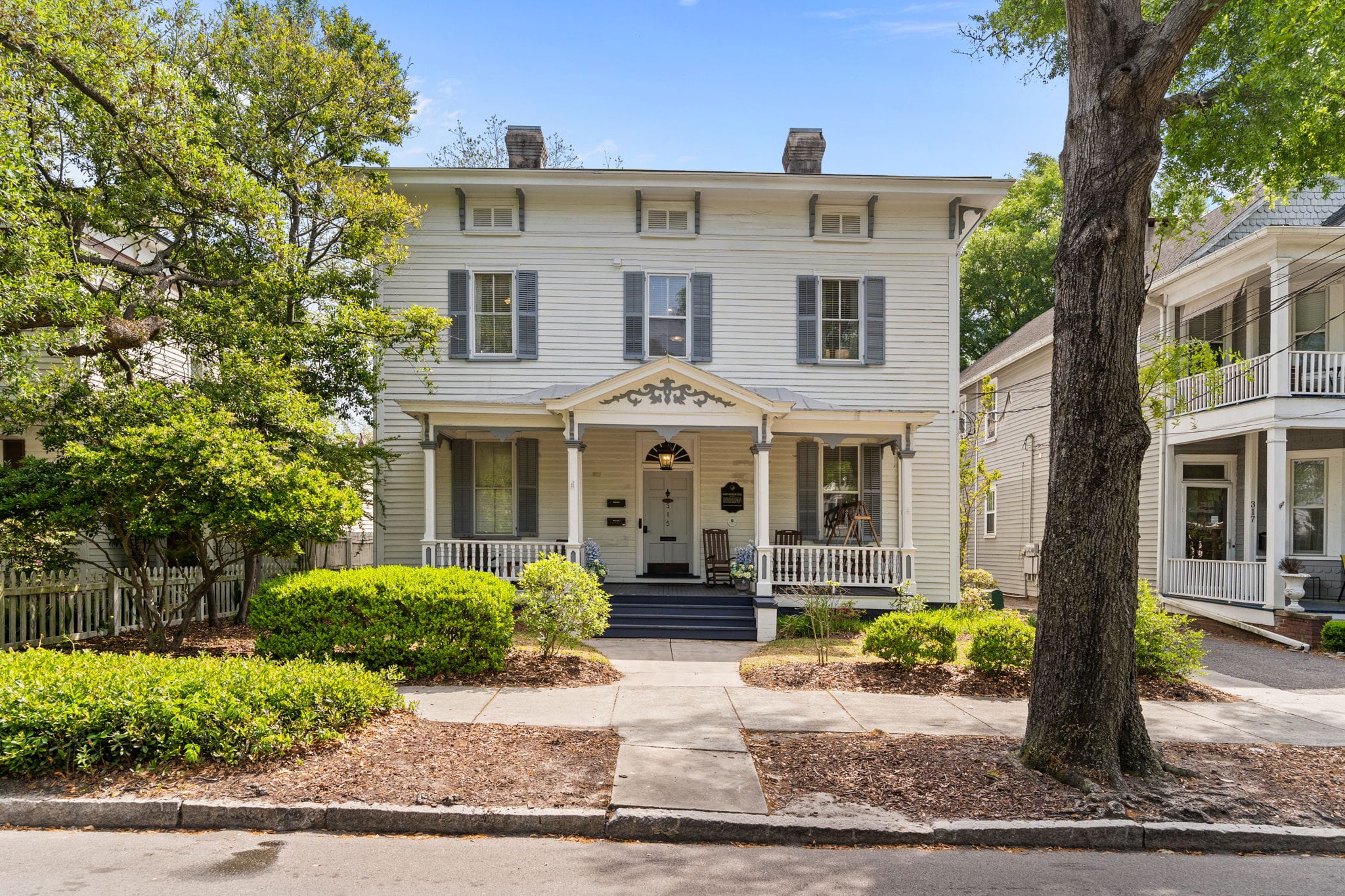
Wilmington has a thriving boutique hospitality scene — historic district short-term rentals, Riverwalk-adjacent venues, downtown lodging properties with their own character. Most of them run on a stack of three or four SaaS products that were never designed to work together: a booking engine, a property management system, a payment processor, a separate marketing site.
It works, until it doesn't. And the moment you want to do something specific — automate monthly parking billing, route group bookings differently from individual stays, surface a downtown experience map alongside availability — the SaaS stack pushes back.
The Third & Oak example
We built Third & Oak Suites — a 3,896 sq ft historic property at 315 South 3rd Street with three independent suites, five bedrooms, 4½ baths, and 15 reserved parking spaces — as a single custom Next.js platform end-to-end. No WordPress, no booking plugin, no theme. The site quietly runs two live revenue streams in parallel, with no manual work in between:
- Suite-aware booking. The Wright Room, The Live Oak Suite, and The Downtown Loft each have their own dedicated page. Group visitors get routed to a separate flow built around renting the whole estate — perfect for weddings or family reunions.
- Self-serve monthly parking. At /parking-downtown-wilmington, visitors see a live diagram of the lot and pick the exact spot they want. Available spots push straight into Stripe checkout for the $100/month subscription. Billing, receipts, and renewals all happen automatically.
That's a revenue stream that didn't exist before launch — 15 reservable spots running on auto-billing through Stripe with zero manual invoicing.
Why custom beats the SaaS stack for Wilmington hospitality
Three reasons we keep seeing:
- Margins matter at this scale. Boutique properties don't have hotel-chain volume. Cutting out three SaaS subscriptions ($2-4k/year combined) and replacing them with a custom platform usually pays for itself within 18 months — and the platform keeps appreciating after that.
- The brand reads as boutique. A SaaS booking widget bolted to a WordPress theme will never feel like the property does in person. Custom design + custom flow lets the digital experience match the physical one.
- You own the data. Guest history, parking subscribers, repeat-booker behavior — all in your database, not someone else's.
When it's not the right call
If you have one rental, one suite, no commerce side surface, and Airbnb is doing the volume — keep using Airbnb. Custom platforms make sense once the operation has enough complexity that the SaaS stack starts costing you more than it gives you. For most Wilmington boutique properties we talk to, that line is somewhere around 3 units or $250k+ annual revenue.
If you're past that line, book a call — most of the conversation is us asking how the operation actually runs.