
10 Features Every Modern Business Website Should Have
A business website is no longer just an online brochure.
In today’s digital landscape, your website functions as a marketing engine, lead generation platform, and brand experience center. It is often the first interaction potential customers have with your company, which means it must deliver speed, clarity, and functionality from the moment a visitor arrives.
Modern websites are expected to perform far beyond basic information display. They must engage users, guide them through a clear journey, and convert visitors into customers.
Below are ten essential features that every modern business website should include.
1. Fast Website Performance
Speed is one of the most important elements of a modern website.
Users expect websites to load almost instantly. If a page takes too long to load, visitors will often leave before interacting with the content.
Fast websites improve:
- user experience
- search engine rankings
- conversion rates
- overall engagement
Performance optimization through modern development frameworks, optimized assets, and global content delivery networks ensures users can access your site quickly from anywhere.
2. Mobile-First Design
Mobile devices now account for a large portion of global internet traffic.
A modern website must be designed with mobile users in mind from the start. This means creating layouts that are:
- responsive
- easy to navigate on smaller screens
- optimized for touch interactions
- fast on mobile networks
Search engines also prioritize mobile performance when determining rankings.
A mobile-first approach ensures your website performs well for both users and search engines.
3. Clear Value Proposition
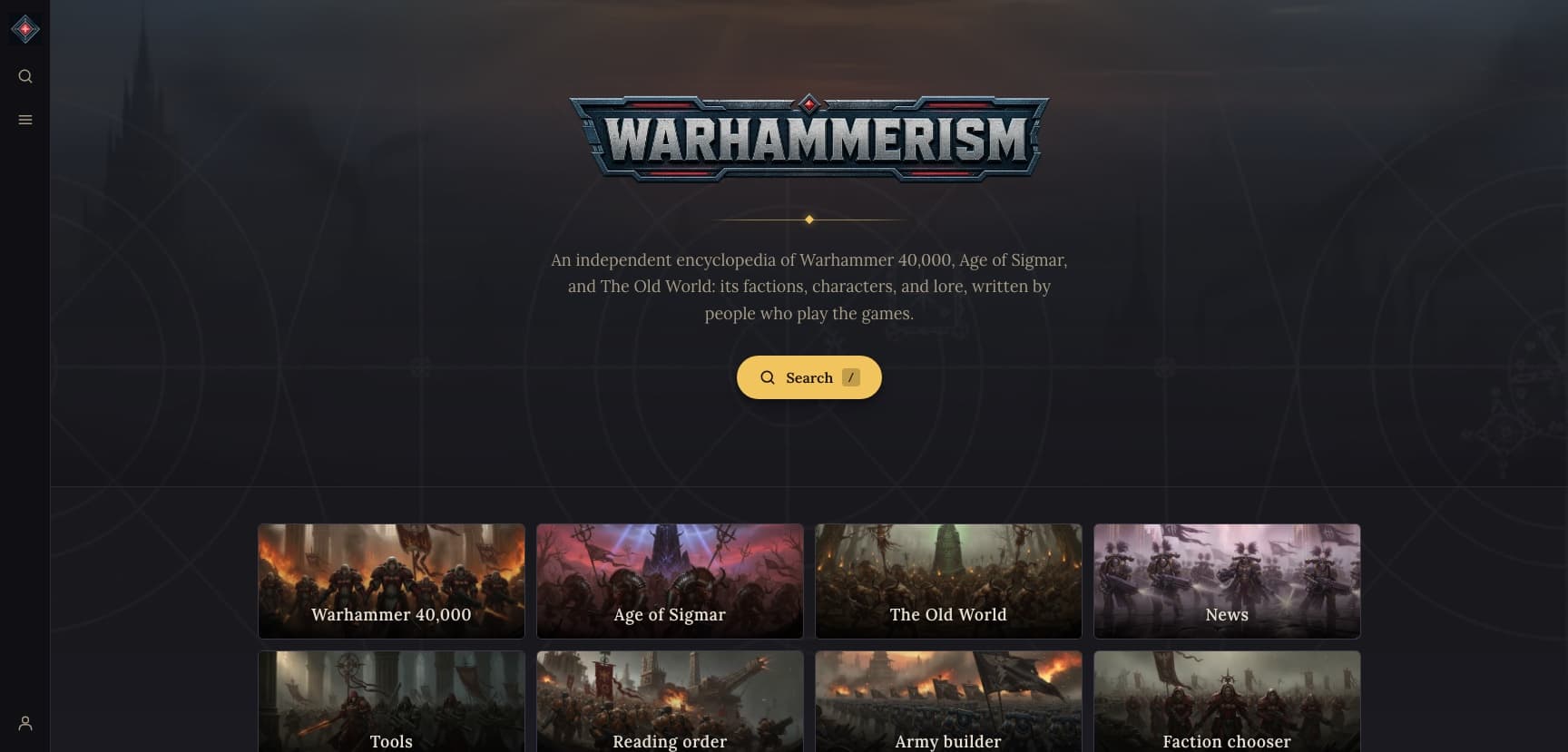
Visitors should understand what your business does within seconds of landing on your website.
Your homepage should clearly communicate:
- what you offer
- who it is for
- why it is valuable
A strong value proposition helps visitors quickly determine whether your business meets their needs.
Clear messaging also improves engagement and reduces bounce rates.
4. Strong Calls to Action
A modern website should guide visitors toward specific actions.
These actions might include:
- scheduling a consultation
- requesting a quote
- making a purchase
- contacting your team
- downloading resources
Clear and strategically placed calls to action help convert website traffic into real business opportunities.
Without clear guidance, visitors may leave the website without taking any next steps.
5. Search Engine Optimization (SEO)
Search engine optimization ensures that potential customers can discover your website through search engines.
Modern websites should be built with SEO best practices in mind, including:
- optimized page structures
- proper metadata
- structured content
- fast loading speeds
- internal linking strategies
SEO-friendly architecture allows businesses to grow their organic traffic over time.
Organic search traffic is often one of the most valuable sources of new customers.
6. Easy Navigation
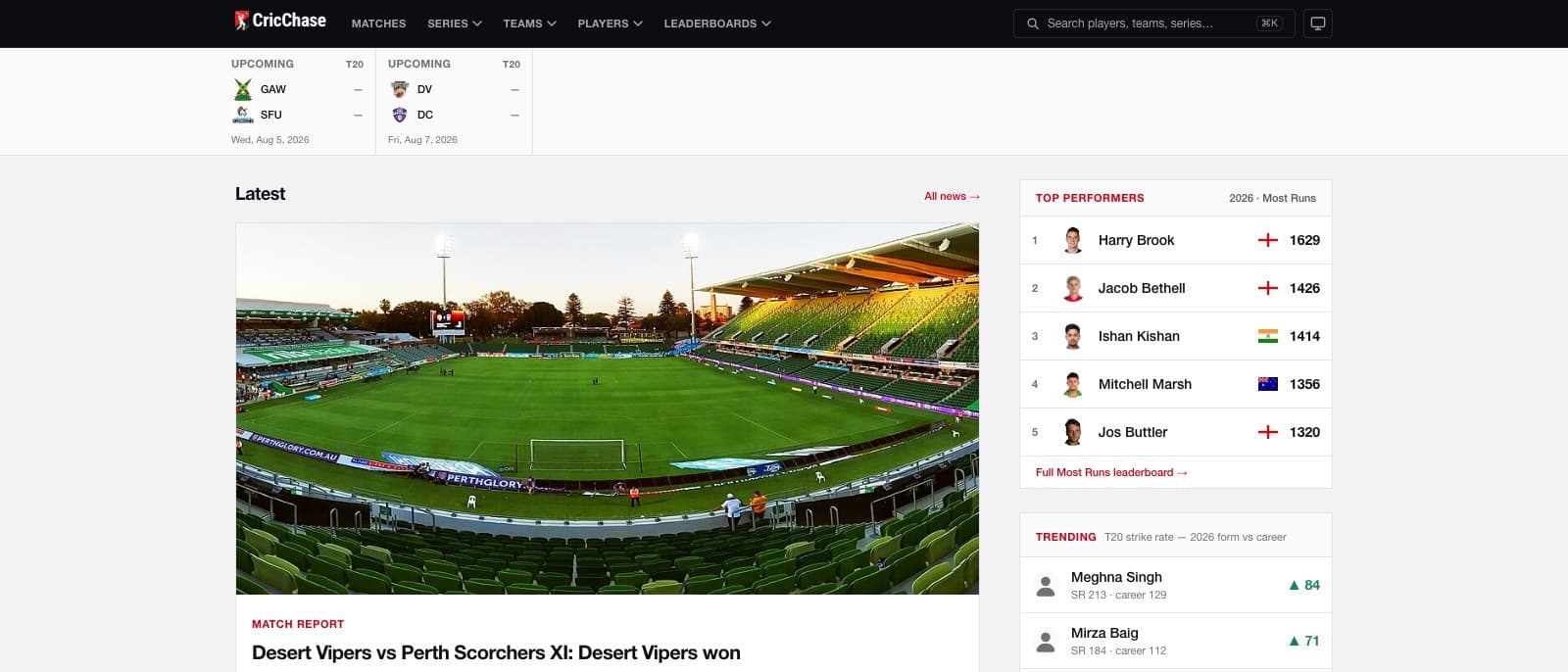
Visitors should be able to quickly find the information they need.
A well-designed navigation structure typically includes:
- clear menu categories
- logical page hierarchy
- easy-to-find contact information
- intuitive page layouts
Confusing navigation creates friction that can drive visitors away.
A streamlined user experience encourages visitors to explore the website further.
7. Trust Signals and Social Proof
Trust is a critical factor in converting visitors into customers.
Modern websites should include elements that demonstrate credibility, such as:
- client testimonials
- case studies
- reviews
- certifications
- industry partnerships
These trust signals reassure visitors that your company is reputable and capable of delivering results.
Social proof plays a powerful role in influencing purchasing decisions.
8. High-Quality Visual Design
Visual design communicates professionalism and brand identity.
Modern websites should include:
- clean layouts
- consistent branding
- high-quality imagery
- thoughtful typography
- engaging visual elements
Strong design enhances user experience and helps establish a memorable brand presence.
Visitors often form opinions about a business within seconds based on visual presentation alone.
9. Analytics and Data Tracking
Understanding how users interact with your website is essential for improving performance.
Modern websites should include analytics tools that track metrics such as:
- traffic sources
- user behavior
- conversion rates
- page performance
- engagement patterns
This data allows businesses to continuously refine their digital strategy and improve results over time.
Without analytics, it becomes difficult to measure the effectiveness of a website.
10. Scalable Architecture
Businesses evolve, and their websites must evolve with them.
Modern websites should be built using scalable architecture that allows for future growth.
This might include the ability to add:
- new service pages
- additional features
- integrations with external systems
- advanced marketing tools
- customer portals
Websites built with modern development frameworks can expand without requiring a full rebuild.
Scalability ensures the website remains a valuable asset as the business grows.
Why These Features Matter
A website that includes these features becomes more than just a digital presence.
It becomes a platform that supports:
- marketing campaigns
- customer engagement
- lead generation
- brand credibility
- business growth
Companies that invest in well-designed, high-performing websites often see stronger digital results than competitors relying on outdated platforms.
Final Thoughts
A modern business website must do more than simply exist online.
It should function as a strategic digital asset that attracts visitors, communicates value, and converts interest into real opportunities.
By incorporating essential features like fast performance, mobile optimization, strong SEO architecture, and scalable development, businesses can create websites that support long-term success.
As digital competition continues to grow, companies that invest in modern web infrastructure will be better positioned to stand out and scale their impact online.
Need strategic support?
Translate these insights
into execution.
Solagon helps teams operationalize strategy across brand, marketing, and digital systems.